Made in Michigan: Our Next Energy Takes Its LFP Cells to Nasdaq
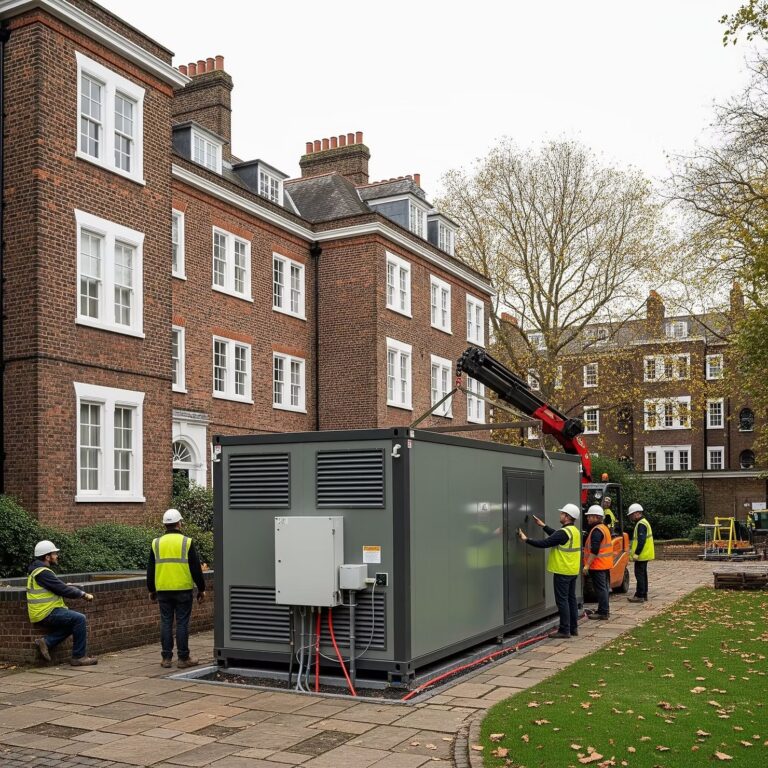
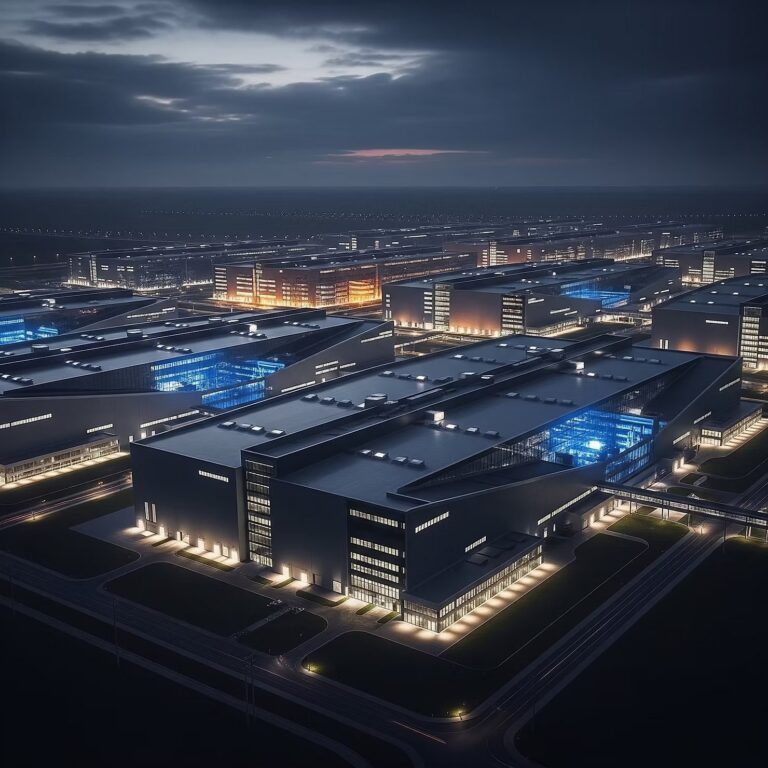
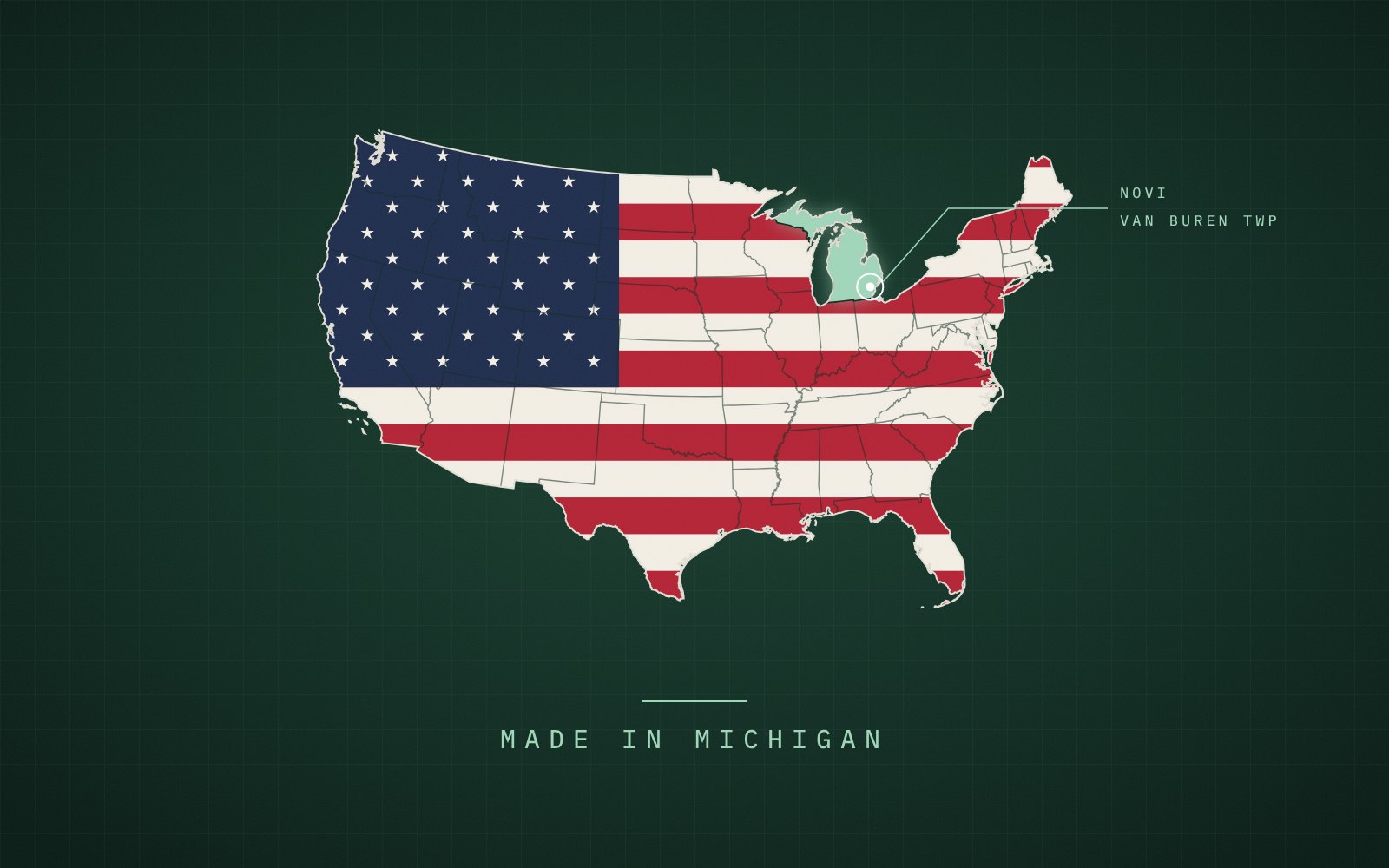
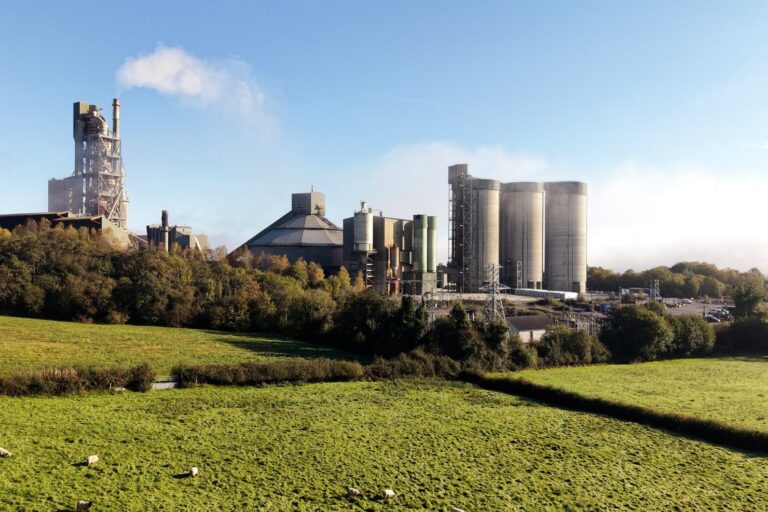
ONE makes its cells in Van Buren Township and its packs in Novi, both in Michigan. Illustration: The Battery Ledger
The most valuable thing in the American battery industry right now may not be a technology. It may be the words “made in America” on a battery that a locomotive or a soldier depends on. That is the bet behind Our Next Energy, and on 16 November it found a route to the public markets to take it further.
ONE, the Michigan-based maker of lithium iron phosphate (LFP) batteries, has agreed to combine with Wen Acquisition Corp, a $300 million blank-check company listed on Nasdaq. The deal values ONE’s existing equity at $600 million, and could give the combined company a pro forma equity value of about $1 billion if the full $400 million in potential proceeds is raised. It is expected to close in the first half of 2027, after which the company would trade on Nasdaq as ONEE.
Built in Michigan
Founded in 2020 and headquartered in Novi, ONE says it has invested more than $500 million in technology and factories. It runs two operating sites. Its cell plant in Van Buren Township makes large-format LFP cells, and ONE describes it as America’s only source of large-format LFP cells built on domestic cell technology. In Novi, a pack line with 3 GWh of annual capacity combines those cells with ONE’s own battery management systems into battery packs and containerised energy storage.
That vertical reach, from electrode active materials through to complete systems, is the core of ONE’s pitch. “We built ONE to close that gap with a secure American and allied supply chain,” said Mujeeb Ijaz, its founder and chief executive.
Rail, defence and the grid
What stands out is where ONE has found its customers. Rather than chasing passenger cars, it supplies three markets where reliability and the origin of a battery matter as much as price: rail, defence and the grid.
On the railways, its customers include locomotive manufacturers serving four Class I railroads, among them Canadian National. In defence, it counts five defence primes as customers, and it was a 2026 winner of the US Army’s xTech|Disrupt Endurance competition, which the company says makes it eligible for follow-on government contracts without further competition. ONE has generated $40 million in revenue to date, and its forward order book is larger: more than $200 million in binding multi-year contracts.
It is a direction the wider industry is taking too. Earlier this month, EnerSys made its own defence ambitions concrete with Ultralife, and battery capacity first built for EVs is finding a second market in grid storage.
The deal
The potential $400 million comes from two sources: up to $300 million held in Wen’s trust account, assuming no shareholder redemptions, and a proposed $100 million private placement. So far, $20 million of that placement has been funded, through a simple agreement for future equity in October, and a further $10 million is covered by a non-binding letter of intent. Both investors are described as strategic partners from the steel and defence sectors. Cantor Fitzgerald is acting as capital markets adviser and placement agent.
“We believe our combination with Wen will give us a public platform to scale ONE into this $40B addressable market,” said Ijaz. Julian Sevillano, Wen’s chief executive, said: “ONE is positioned to lead the reshoring of critical battery manufacturing in the United States.”
The deal still needs shareholder approval from both companies, regulatory clearance and a minimum cash condition before it can close.
The Ledger
America has spent the past few years building the policy scaffolding for a domestic battery industry, from the Section 45X manufacturing credit to tariffs on Chinese batteries. What it has had less of is home-grown companies making cells from their own technology. ONE says it is one of them, and it has chosen its markets carefully: customers who value a secure, domestic supply and sign multi-year contracts to get it.
Turning $200 million of contracts into revenue takes capital, and that is what this deal is for. How much of the $400 million arrives will depend on the private placement and on how many Wen shareholders stay in. If it comes together, a Nasdaq listing would give ONE the means to grow into its order book, and give the industry a closely watched test of whether an American cell maker can build a public company on rail, defence and the grid rather than on cars.
Read next
All insights →
 Newest on The RegisterDr Francisco TrinidadFormer Director of Battery Technology, Exide · Alpha Beta SocietyRead the profile →