A Savings Bank Bets on Battery Recycling
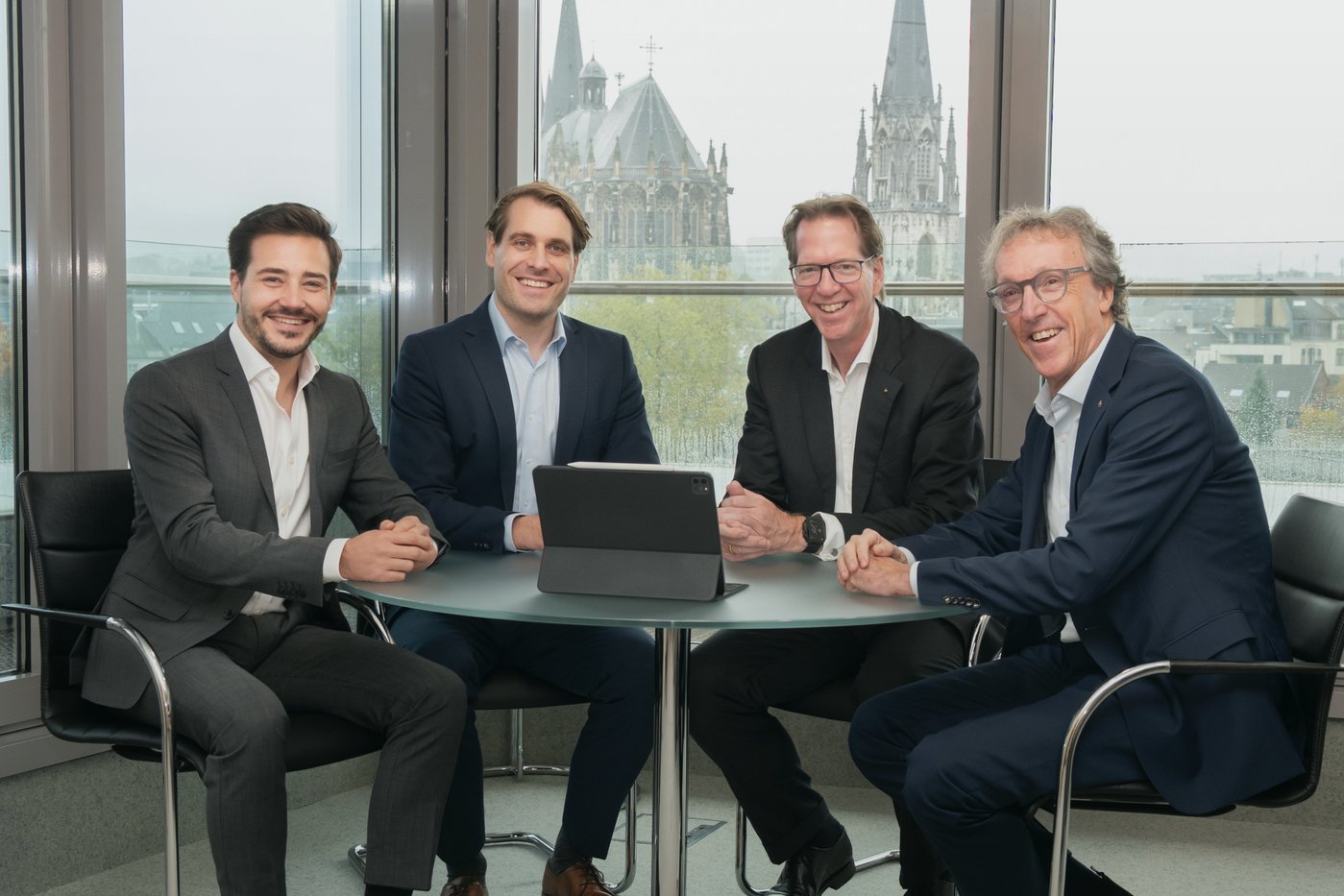
From left: Daniel Dietz (CFO, cylib), Dr. Gideon Schwich (co-CEO and co-founder, cylib), Thomas Salz (member of the Management Board, Sparkasse Aachen) and Stefan Kummer (Head of Corporate and Business Banking, Aachen, Sparkasse Aachen). Photo: cylib/Heike Lachmann
Battery recycling has been built, so far, on two kinds of money: venture equity and public grants. Both are bets on the future. A bank loan is a different thing. It is a lender deciding that a business is solid enough to repay, today. So when cylib announced that it had secured its first bank financing, from Sparkasse Aachen, a public savings bank, the interesting part was not the money. It was who was lending it, and what that says about where recycling now sits.
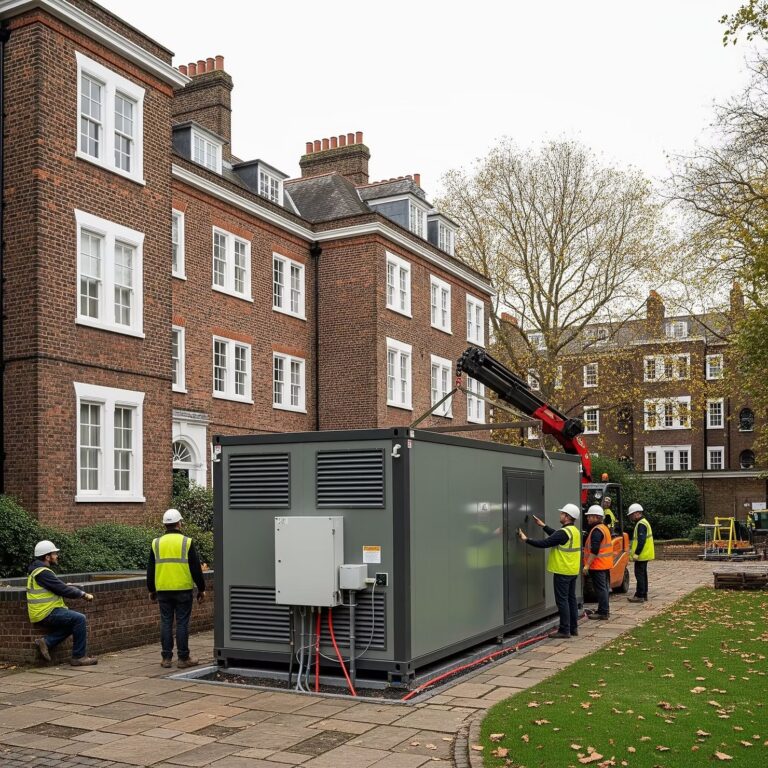
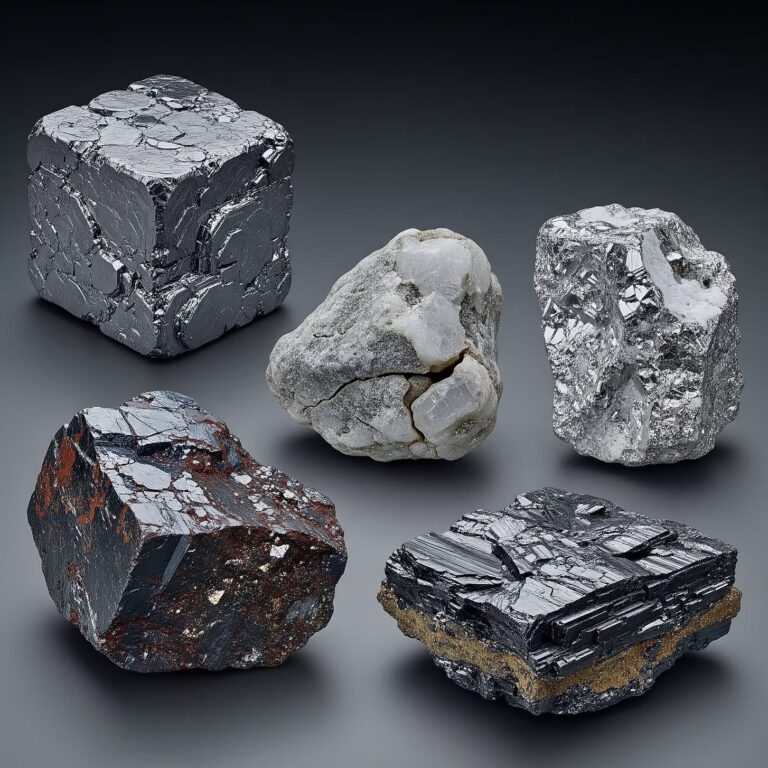
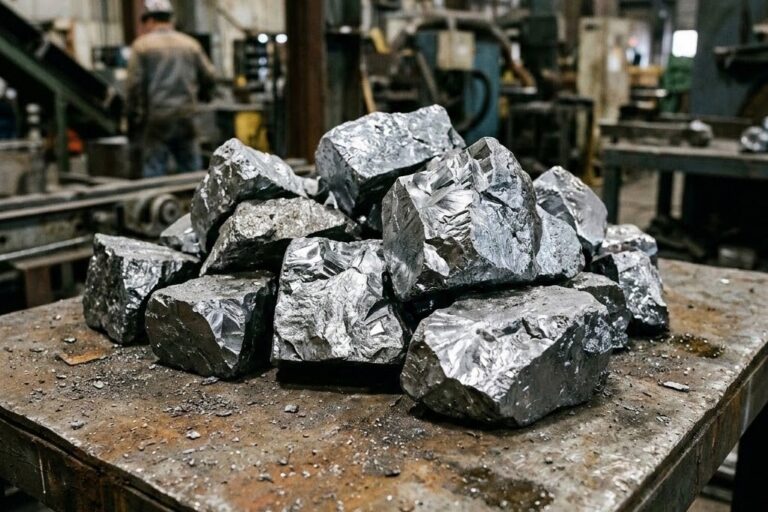
The financing supports the ramp-up of cylib’s site at Wernberg-Köblitz in Bavaria, and the funds are already available. It is the company’s first operational plant: end-of-life EV batteries are discharged, dismantled and mechanically processed there into black mass, the intermediate material that holds a battery’s valuable metals. The site, which cylib took over in July 2026 and recently brought into operation, has a processing capacity of up to 10,000 metric tons of end-of-life EV batteries a year.
That black mass is not the end of the chain. It is destined for cylib’s hydrometallurgical plant at Dormagen in North Rhine-Westphalia, still under construction, where the metals will be recovered. The arrangement links mechanical processing in Bavaria to metal recovery in the west, two halves of a single recycling operation.
“Access to bank financing supports execution,” said Dr Gideon Schwich, co-CEO and co-founder of cylib. “It helps us take the step from pilot operations to industrial production.” His CFO, Daniel Dietz, was more direct about what the loan represents: it adds bank financing to a base of equity and public grants “for the first time,” he said, calling it “an important signal” that “traditional lenders can see the strength and maturity of cylib’s business model.”
He is right that it is a signal, and it is worth dwelling on why. Banks, and conservative regional savings banks in particular, do not lend to science projects. They lend to businesses with revenue, assets and a credible path to repayment. For much of the past decade, battery recycling did not look like that; it looked like a promising technology in search of scale. cylib is not the first recycler to borrow, larger players have raised debt before, but a conservative regional savings bank writing a loan against a recycling operation is a small sign that the picture is changing, that recycling is beginning to look less like a bet and more like an industry.
cylib is a reasonable company to read that signal from. Founded in Aachen in 2022, out of research at RWTH Aachen University, it has moved deliberately: a pilot plant in 2023, a 55 million euro Series A in 2024, 89.5 million euros in public funding in 2025 for the Dormagen plant, and now its first bank loan. Its water-based OLiC process recovers more than 90 percent of the lithium, graphite, nickel, cobalt and manganese in a battery, the company says, at a carbon footprint it puts at 80 percent below primary production.
For Sparkasse Aachen, the logic was partly regional. “cylib’s development shows how entrepreneurial spirit and research made in Aachen create sustainable value that extends beyond the region,” said Thomas Salz of the bank’s management board. A local bank backing a local success story is a familiar enough tale. What makes this one worth noting is the sector it is in, and the quiet vote of confidence a loan represents.
The Ledger
One loan does not make an industry bankable. But it is a straw in the wind. Battery recycling has spent years proving it can work; the harder test, the one that decides whether it becomes a permanent part of the economy, is whether it can be financed like any other industrial business. cylib’s first bank loan is a modest step in that direction, and a sign of how far a company can travel in four years. The sums will get larger. What matters is that a conventional lender was willing to write the first one.
Read next
All insights →
 Newest on The RegisterDr Francisco TrinidadFormer Director of Battery Technology, Exide · Alpha Beta SocietyRead the profile →