Most of the world’s lead now comes from recycling, not mines
For most battery metals, large-scale recycling is still being built. For one, recycling quietly became the main source of supply, and almost nobody noticed the moment it happened.
Ask where battery metals come from and the answer is mines: lithium from Australia and Chile, cobalt from the DRC, nickel from Indonesia. For lead, that answer stopped being true years ago.
The numbers
The International Lead and Zinc Study Group’s data shows refined lead produced from recycled raw materials made up 67.4 per cent of global production in 2025, and 67.8 per cent in 2024. Two thirds of the world’s lead is now made from lead that already existed. Primary mining has become the minority source.
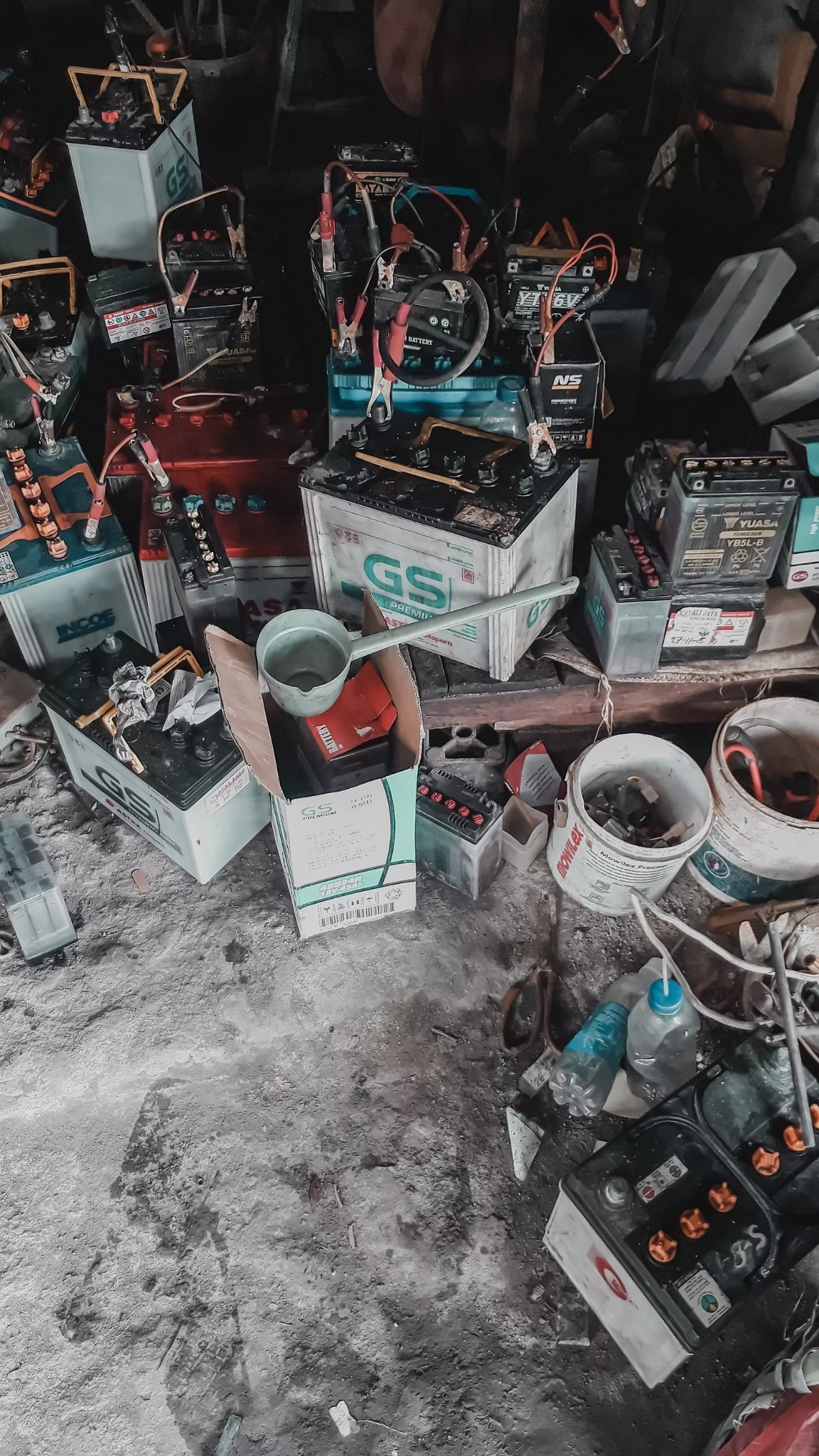
In the United States it goes further, and there the battery connection is explicit. The country hasn’t operated a primary lead refinery since 2013. Per the US Geological Survey, an estimated one million tonnes of secondary lead was produced in 2024, equal to 70 per cent of apparent domestic consumption, nearly all of it recovered from old scrap, mostly lead-acid batteries. An entire industrial economy runs its lead supply on recycling, and has for over a decade.
No other major battery metal has a comparable established recycling share. That’s not a criticism of lithium or cobalt recycling, the material to recycle simply hasn’t come back yet. It’s a measure of what a closed loop looks like when it’s had a century to close.
Who does the work
The companies doing this work rarely make headlines. Campine in Belgium has been expanding, buying Ecobat’s French lead operations in a deal completed in October 2025. Boliden feeds secondary lead through its smelting network in Scandinavia. Gravita has built one of India’s largest lead recycling operations and is scaling alongside India’s own recycled content rules. Ecobat, Doe Run and Gopher Resource carry the load in the US alongside the battery makers’ own smelters.
The question worth sitting with
When people say battery recycling doesn’t work at scale, they’re describing chemistry that’s twenty years old. When it’s had a hundred years, it looks like this: two thirds recycled, and the mine as the smaller partner.
Which battery metal do you think crosses the 50 per cent recycled line next, and how long does it take?
Sources
ILZSG data on secondary refined lead’s share of global production, 2024 and 2025. USGS Mineral Commodity Summaries 2025, on US secondary lead production and the absence of primary refining since 2013. Ecobat announcement on the sale of its French lead operations to Campine, completed October 2025.
Read next
All insights →
 Newest on The RegisterDr Francisco TrinidadFormer Director of Battery Technology, Exide · Alpha Beta SocietyRead the profile →