The Reverse Gigafactory: How Battery Recycling Is Starting to Close the Loop
For a decade the battery story was about building gigafactories. The next chapter is about building their mirror image, the plants that take batteries apart and send their materials back to the start of the line. It is harder than it sounds, and it is finally starting to work.
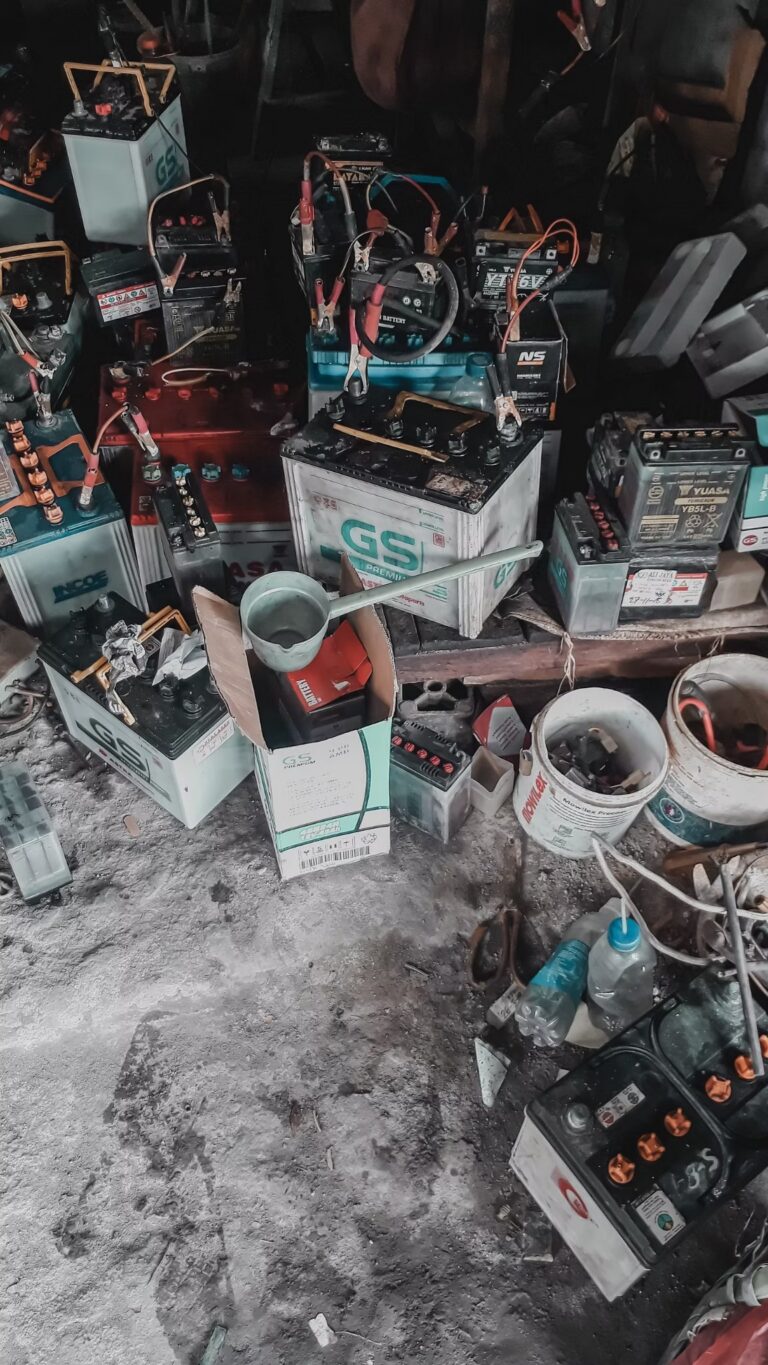
Every battery ever made will one day stop working. For most of the industry’s history, that fact sat at the far end of the timeline, somebody else’s problem, years away. It is not years away any more. The first big waves of electric-vehicle batteries and factory scrap are arriving now, and with them a question the industry can no longer defer: what happens at the end of the line, and can the end be turned back into the beginning?
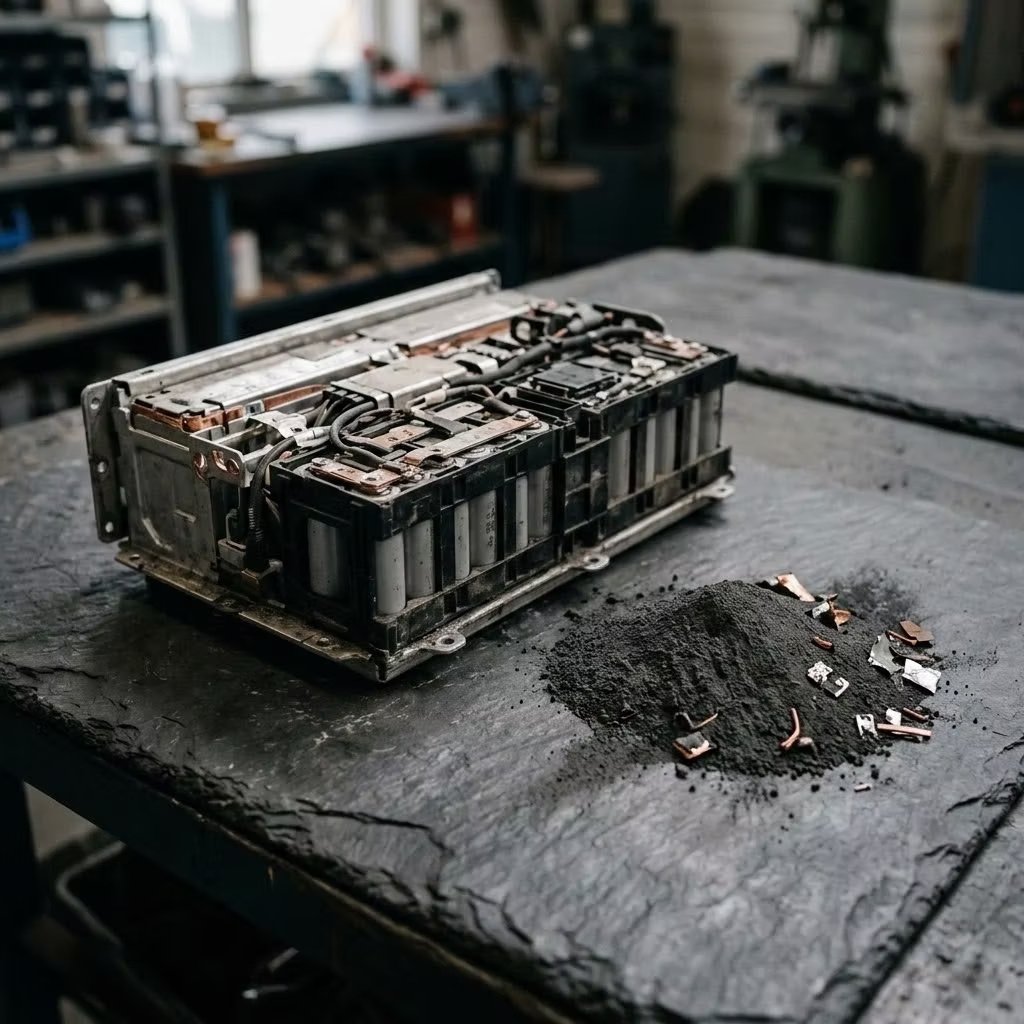
The answer taking shape is the reverse gigafactory. If a gigafactory turns mined metals into finished cells, a reverse gigafactory runs the process backwards: it takes end-of-life batteries and production scrap, breaks them down, and recovers the lithium, cobalt, nickel and other metals to feed back into new cells. It is the return half of a loop the industry has, until recently, only half built.
The idea is not new. Making it work is the hard part.
Recycling a battery is genuinely difficult. The inputs are hazardous, a charged battery is a fire risk, and the economics are unforgiving: thin margins, volatile metal prices, and a recovered product that has to be clean enough for a refiner to actually use. Plenty of recycling ventures have foundered on exactly these rocks. This is not a solved problem, and anyone who tells you it is has not run a plant.
The engineering is starting to work
What has changed is that a growing number of companies are getting the engineering right, and at commercial scale. American Battery Technology, founded by former Tesla Gigafactory engineers, describes what it does as precisely a reverse gigafactory, and this year posted its first positive gross profit at its recycling facility, a milestone many recyclers never see. In Germany, cylib and Porsche demonstrated something the industry had long promised but rarely shown: battery cells made from cathode material recovered entirely from Porsche’s own worn-out batteries, from Porsche to Porsche. In the United States, Blue Whale Materials is expanding its Oklahoma plant, backed by a Department of Energy grant, to more than triple its output. In the United Kingdom, Altilium won government funding to build the country’s first commercial refinery for recovering critical materials from spent EV batteries.
Look closely and a pattern appears. The companies making progress are, more often than not, run by engineers who understand the whole system, the mine, the cell, and the scrap, rather than any one part of it. The good ones compete on the quality of what they recover: a dry, low-impurity, mixed-metal product that a refiner can process without a fight. And they are increasingly built to fit the industry that already exists, sited near gigafactories, feeding materials back into existing supply chains, rather than demanding the world rearrange itself around them.
The other half of making batteries well
None of this replaces the gigafactory. That is the point worth being clear about. Recycling is not an alternative to making batteries; it is the other half of making them well. A mature battery industry needs both halves, the factory that builds the cell and the one that recovers it, running in a loop. For most of the last decade the industry built the first and postponed the second. It is now, at last, building the second.
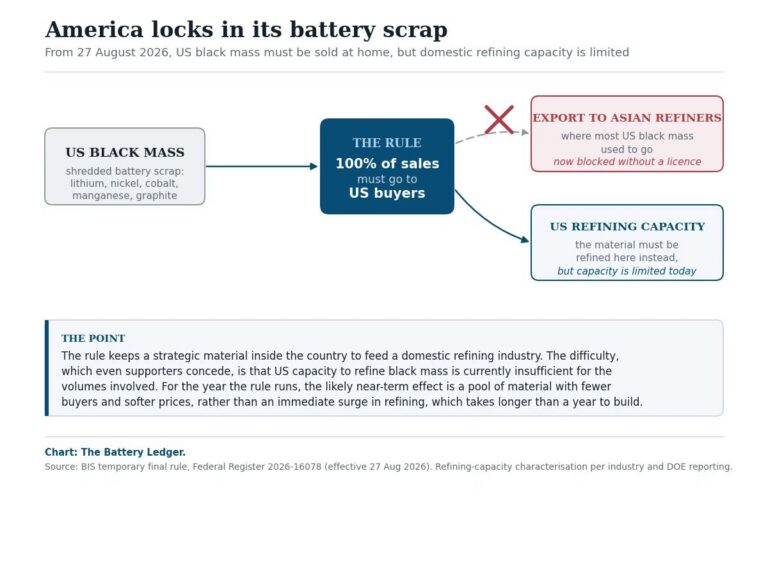
There is a strategic edge to this, too. Most battery material still travels to Asia to be refined and comes back again; the countries now funding domestic recycling, the United States, the United Kingdom, Germany, are trying to keep those materials, and the value in them, closer to home. A recovered tonne of lithium is a tonne that did not have to be mined, shipped, and refined on the other side of the world. In an industry that worries constantly about where its materials come from, the ones already in circulation are the most secure supply there is.
The loop is not closed yet
The loop is not closed yet. The volumes are still small against the scale of what is coming, the economics still turn on metal prices no one controls, and the hardest engineering, recovering every material cleanly, at scale, at a cost that works, is still being solved. But the direction is set. The reverse gigafactory has gone from a slide in a pitch deck to a building with a commissioning date. The industry spent ten years learning to make batteries. It is now learning, finally, to make them again from the ones it already has.
Company milestones as reported by American Battery Technology, cylib, Porsche, Blue Whale Materials and Altilium, from their own announcements through 2025 and 2026, and covered on The Battery Ledger’s Bulletin Board. Written from the public record.
Read next
All insights →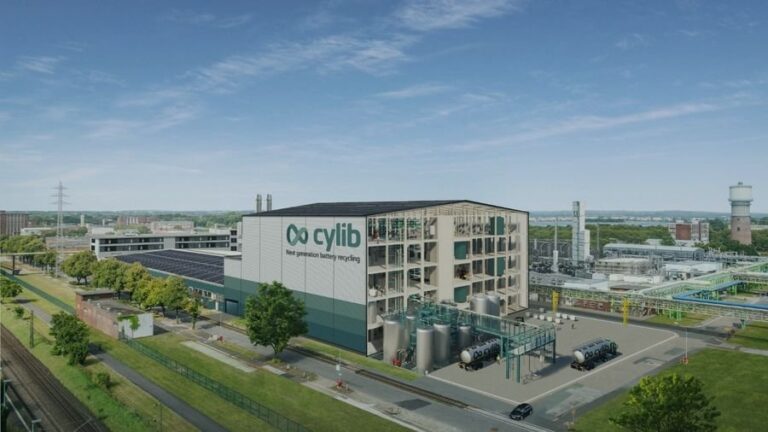
 Newest on The RegisterDr Francisco TrinidadFormer Director of Battery Technology, Exide · Alpha Beta SocietyRead the profile →