Building the UK’s Battery Supply Chain, One Connection at a Time
Britain’s gigafactories get the headlines. The more interesting story is everything being built around them: the suppliers, the researchers, the grid connections and the people who turn a factory into an industry.
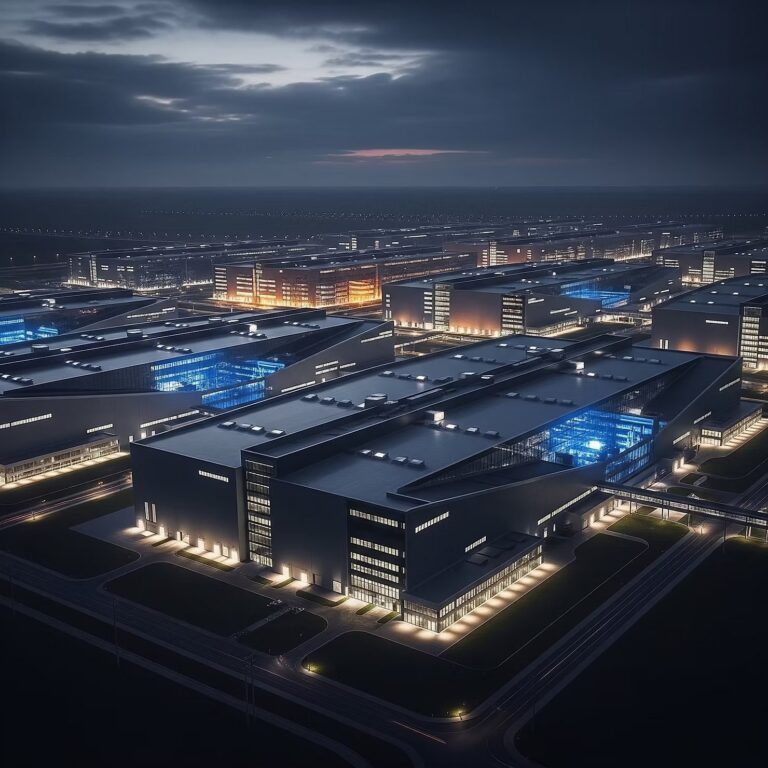
Britain is building battery factories. That part is known. The Agratas plant in Somerset and AESC’s in Sunderland are the visible symbols of a domestic industry taking shape. But a gigafactory on its own is just a very large building. What turns it into an industry is everything that grows around it, and that is where the more interesting story sits.
Somerset: scale, and a long supplier list
The biggest of the new projects is Agratas, Tata’s battery arm, at the Gravity Smart Campus near Bridgwater. In April 2026 the government confirmed a £380 million grant toward it, through the Advanced Propulsion Centre’s DRIVE35 fund and part of a wider package, on top of Agratas’s own roughly £4 billion investment. The plant is built for 40 GWh a year, enough for around half a million electric vehicles, with Jaguar Land Rover as its anchor customer.
The number worth noticing isn’t the capacity, though. It’s the supplier list already forming around it. Sir Robert McAlpine is construction manager. Severfield has the steel package. Costain won a £123 million contract for the new M5 junction serving the site. National Grid is doing the connection work. A gigafactory, in other words, is a demand event for a dozen industries before it ever makes a cell, and the firms that can meet its standards, on its schedule, are the ones who benefit first.
Sunderland: an industry that already works
Further north, Sunderland has something Somerset is still building: a working loop between cell production and car assembly. AESC, backed by Envision, began production at its new 15.8 GWh plant in December 2025, cells that go straight into the third-generation Nissan Leaf built next door. A second plant, adding 12 GWh, is under construction on the same site, part of the wider EV36Zero partnership with Nissan and Sunderland City Council.
That adjacency, cells made beside the cars that use them, is the thing other regions are trying to recreate. It is also where the practical expertise accrues: the process engineering, the logistics, the quality control that only come from actually running the lines.
Research: turning promise into production
A battery industry needs more than factories. It needs the ability to take a promising material out of the lab and prove it can be made reliably, at scale, the difficult step between promising laboratory results and repeatable industrial production.
That is the gap AMBIC is built to close: the Advanced Materials Battery Industrialisation Centre, launched by CPI and Warwick’s WMG, with £12 million through UK Research and Innovation’s Faraday Battery Challenge. The work is unglamorous, helping companies get materials and processes from the beaker to the production line, and it is exactly the kind of capability that decides whether Britain makes better batteries or just assembles them.
The people, and the grid
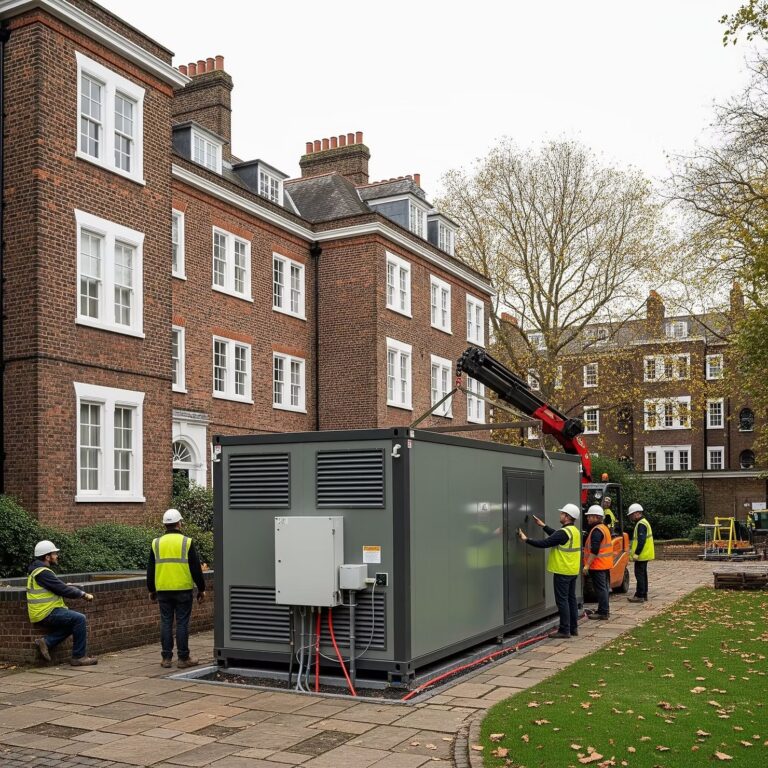
The less visible investments matter too. The Somerset package included support for skills and apprenticeships, with around 300 apprenticeships linked to the project, because a gigafactory is only as good as the technicians and engineers who run it. And National Grid’s work to connect Somerset is a reminder that an industry like this rests on infrastructure most people never see.
The supply chain is bigger than the gigafactory
Britain’s battery industry is coming together from several strengths at once: car manufacturing in the north, new cell capacity in the south-west, research capability in between, and the people and grid to tie them together. The opportunity now is connection, linking the factories to the suppliers, innovators and training that make each one worth more than the sum of its concrete.
The headline will always be the gigafactory. The industry is everything that grows around it.
Agratas Somerset, the £380 million grant (April 2026, via the Advanced Propulsion Centre’s DRIVE35 fund, part of a wider package), roughly £4 billion private investment, 40 GWh capacity (around 500,000 EVs a year), JLR as anchor customer, and the named contractors (Sir Robert McAlpine as construction manager, Severfield steel package, Costain’s £123 million M5 junction, National Grid connection) from the Department for Business and Trade, Construction Enquirer and contemporaneous reporting, 2026. AESC Sunderland, new 15.8 GWh plant operational December 2025 supplying the third-generation Nissan Leaf, second 12 GWh plant under construction, part of the EV36Zero partnership with Nissan and Sunderland City Council, from electrive, Battery-News and S&P Global, 2025-2026. AMBIC from CPI, WMG and UK Research and Innovation (£12m, Faraday Battery Challenge). Capacity and jobs figures describe planned facility scale, not current output; the ~300 apprenticeships are as stated in the April 2026 announcement. Written from the public record.
Read next
All insights →


 Newest on The RegisterDr Francisco TrinidadFormer Director of Battery Technology, Exide · Alpha Beta SocietyRead the profile →